LinkedIn Newsletter Growth: The Essential Guide


Achieving consistent LinkedIn newsletter growth requires more than just publishing great content on your preferred platform. You need a deliberate promotion engine, and LinkedIn offers one of the most powerful (and underused) distribution channels available to B2B creators and marketers today.
Whether you publish on Beehiiv, Substack, ConvertKit, or any other platform, the challenge remains the same: getting your newsletter in front of the right people consistently. This guide walks you through a proven, step-by-step system for using LinkedIn to drive subscribers, amplify every issue you publish, and turn one piece of newsletter content into a week's worth of high-performing LinkedIn posts.
Step 1: Set Up Your LinkedIn Profile as a Subscriber Funnel
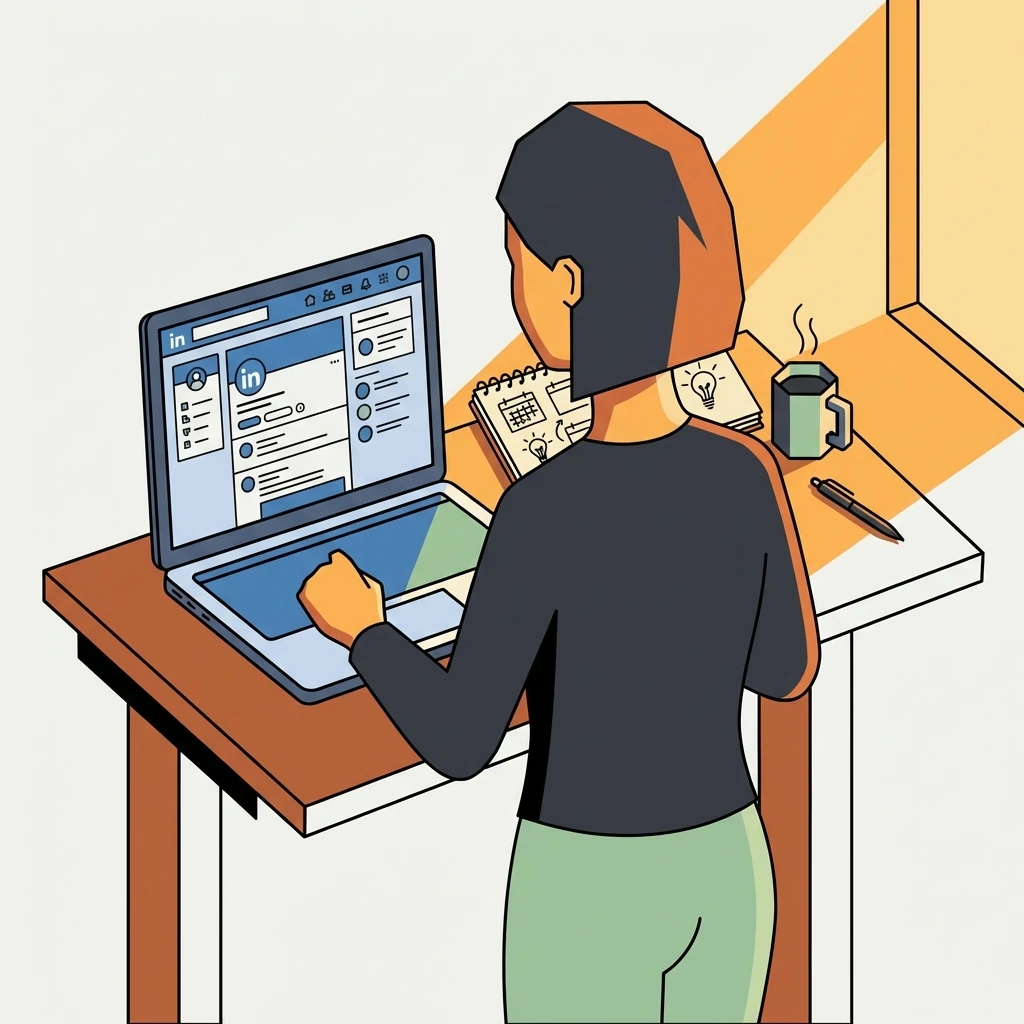
Before you promote a single issue, your LinkedIn profile needs to function as a landing page for your newsletter. Most creators skip this step, then wonder why their promotion posts generate engagement but few actual subscribers.
Optimize Your Headline and Featured Section
Your LinkedIn headline should clearly communicate the value of your newsletter, not just your job title. A formula that works well: [Your Role] | I write [Newsletter Name] helping [audience] achieve [outcome]. This gives every profile visitor an immediate reason to subscribe.
Next, pin your newsletter signup link in your Featured section. Use a compelling thumbnail and a description that highlights what subscribers receive and how often. If your newsletter platform provides a dedicated landing page, link directly to it rather than a generic homepage.
Add a Newsletter CTA to Your About Section
Your About section should weave your newsletter into your professional story. Close the section with a clear call-to-action and the direct signup link. Every connection request, profile view, and content interaction becomes a potential subscriber touchpoint when your profile does this work passively.
Step 2: Drive LinkedIn Newsletter Growth Through Content Repurposing
Your newsletter already contains the raw material for multiple LinkedIn posts. The key is learning to extract and reformat that material so it performs natively on LinkedIn, rather than simply dropping a link and hoping for clicks.
The 1-to-5 Content Extraction Method
Every newsletter issue should produce at least five distinct LinkedIn posts. Here is how to break one issue into multiple assets:
- The Hook Post: Pull the single most provocative insight or statistic from your newsletter and build a short-form text post around it. End with "I break this down further in this week's issue" and include your signup link.
- The Listicle Post: Extract 3-5 tactical tips or takeaways and format them as a numbered list post. These consistently earn high engagement and saves on LinkedIn.
- The Story Post: Find a narrative thread, whether a case study, personal experience, or client example, and expand it into a standalone story post with a newsletter CTA at the end.
- The Contrarian Take: Identify one opinion or insight from your newsletter that challenges conventional thinking. Frame it as a bold opening line and let the discussion drive comments.
- The Carousel or Document Post: Summarize your newsletter's key framework or process into a visual slide deck. Upload it as a PDF document to LinkedIn for a swipeable carousel experience.
Spread these posts across the week following each newsletter issue. This approach gives your content multiple chances to reach different audience segments at different times, while consistently pointing back to your newsletter.
Timing Your Promotion Posts for Maximum Reach
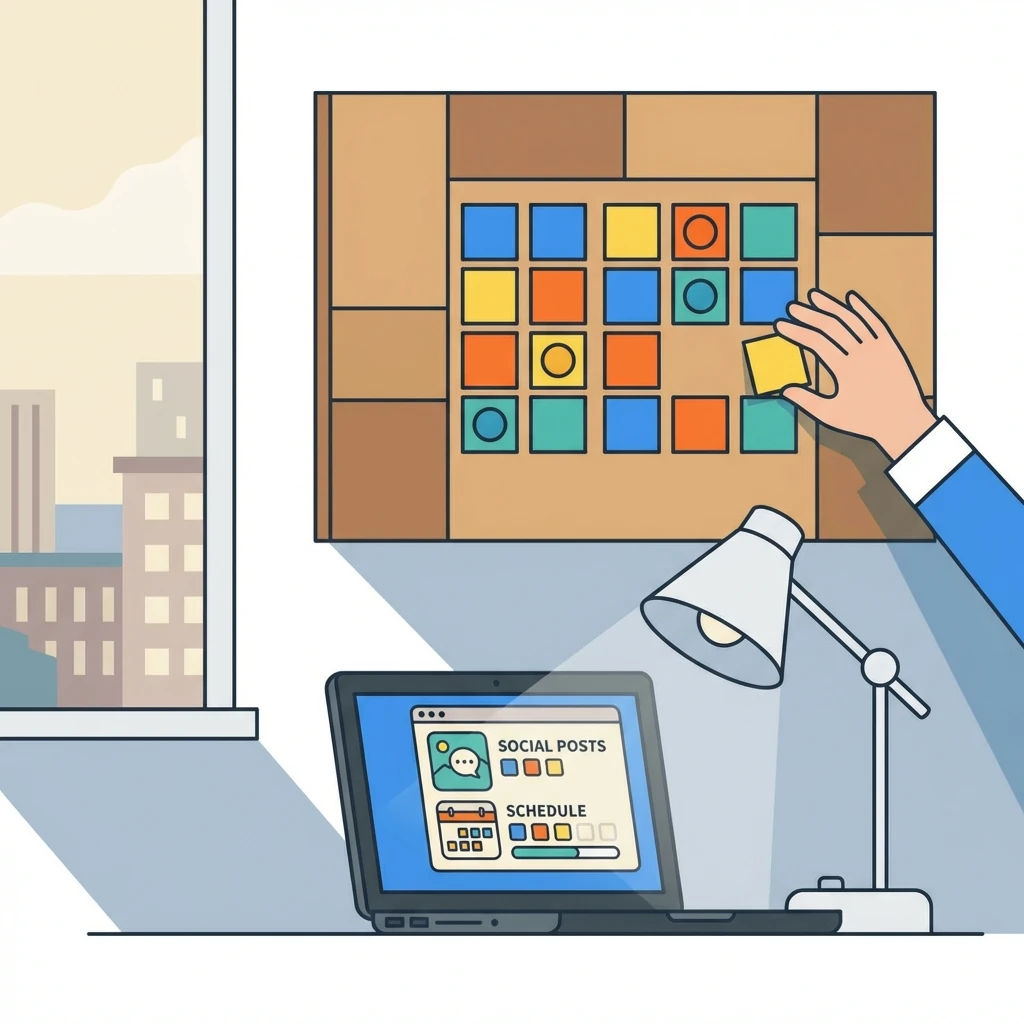
Post your primary newsletter promotion (the hook post with the direct link) within 2-4 hours of sending your newsletter. This creates a coordinated push across channels. Schedule the remaining derivative posts throughout the following 5-6 days, ensuring your newsletter stays visible without feeling repetitive. Each post offers a different angle, so your audience encounters fresh value every time.
Step 3: Republish Your Newsletter Directly on LinkedIn
LinkedIn's native newsletter feature sends push notifications to all your subscribers every time you publish, an advantage no other social platform offers. Even if your primary newsletter lives on Beehiiv or Substack, republishing on LinkedIn creates a powerful secondary distribution channel.
A Dual-Publishing Strategy to Grow Your Newsletter on LinkedIn
The most effective approach involves publishing your full newsletter on your primary platform first, then republishing a version on LinkedIn 24-48 hours later. Modify the LinkedIn version slightly: adjust the headline for the LinkedIn audience, trim the introduction, and add a closing CTA that drives readers to subscribe on your primary platform for exclusive content or bonus resources.
This strategy avoids duplicate content concerns because LinkedIn articles are indexed separately, and Google typically prioritizes your original platform version. The LinkedIn republish serves as a discovery mechanism, capturing readers who would never have found your Substack or Beehiiv page organically.
Optimize LinkedIn Article SEO and Discoverability
LinkedIn newsletter articles rank in both LinkedIn search and Google. Optimize your titles with relevant keywords your audience actually searches for. Write a compelling subtitle that expands on the headline's promise. Use header tags (H2, H3) within the article body to structure content for scannability and search indexing.
According to Content Marketing Institute research, 29% of enterprise marketers expect to invest in owned media in 2026. That growing investment signals an increasingly competitive landscape. Creators who build discoverability into their LinkedIn newsletter articles now will hold a significant advantage as more companies enter the space.
Step 4: Use Advanced LinkedIn Promotion Tactics for Subscriber Growth
Beyond content repurposing and republishing, several high-leverage tactics accelerate LinkedIn newsletter growth in ways most creators overlook.
Leverage Comments and Engagement Loops
Actively comment on posts from people in your target audience, especially on topics related to your newsletter's niche. Thoughtful, substantive comments (not "Great post!") drive profile visits from curious readers. When your profile is optimized as described in Step 1, these visits convert into subscribers passively.
Also engage with every comment on your own promotion posts. Ask follow-up questions and continue conversations. LinkedIn's algorithm rewards active comment threads by pushing the original post to a wider audience, extending your reach with each interaction.
Use LinkedIn DM Outreach Strategically
When someone engages with your content, especially if they comment or share, send a brief, non-pushy direct message thanking them and mentioning your newsletter. A simple script works well: "Thanks for your thoughts on my post about [topic]. I actually dive deeper into this in my weekly newsletter. Would you like me to send the link?"
This approach respects the relationship while creating a natural bridge to subscription. Avoid mass-messaging or generic pitches, as they damage trust quickly. Personalization and relevance are everything.
Collaborate With Other LinkedIn Creators
Co-authored LinkedIn articles, newsletter shoutout swaps, and joint LinkedIn Live sessions expose your newsletter to entirely new audiences. Identify 3-5 creators who share your target audience but cover complementary topics. Propose a specific collaboration format rather than a vague "let's work together" message. Cross-promotion through trusted voices carries significantly more weight than self-promotion alone.
If managing a multi-channel newsletter growth strategy sounds overwhelming, agencies like Spacebar Studios specialize in building and growing B2B newsletters end-to-end, handling strategy, content production, and subscriber acquisition so your team can focus on the business.
Build a Sustainable LinkedIn Newsletter Growth System
Sporadic promotion produces sporadic results. The creators and companies seeing real LinkedIn newsletter growth treat it as an ongoing system, not a one-time campaign. Build a repeatable weekly workflow: publish your newsletter, extract 5 LinkedIn posts, republish the article on LinkedIn, engage in comments and DMs, and track which formats drive the most subscribers.
Review your metrics monthly. Track not just LinkedIn post impressions, but actual newsletter signups attributed to LinkedIn using UTM parameters on every link. Double down on the content formats and topics that convert, and cut what does not.
Your newsletter is one of the most valuable owned media assets you can build. LinkedIn gives you the distribution engine to grow it consistently. Start with one step from this guide this week, refine your approach based on data, and compound your results over time. If you want expert support building a newsletter that drives real pipeline, explore how Spacebar Studios helps B2B companies launch and scale high-performing newsletters.
Frequently Asked Questions
How long does it typically take to see meaningful subscriber growth from LinkedIn promotion?
Most creators see initial traction within 3-4 weeks of consistent implementation, with noticeable growth acceleration around the 8-week mark once LinkedIn's algorithm recognizes your content patterns. The key is maintaining a consistent posting schedule rather than expecting immediate results, as trust and visibility compound over time.
Should I use LinkedIn's native newsletter feature if I already have an established newsletter on another platform?
Yes, using both creates complementary growth channels rather than competition. Your primary platform remains your main list where you control subscriber data and monetization, while LinkedIn's native newsletter acts as a discovery and sampling mechanism that funnels highly qualified subscribers to your owned platform.
What conversion rate should I expect from LinkedIn profile visits to newsletter signups?
Well-optimized LinkedIn profiles typically convert 2-5% of visitors into newsletter subscribers, though this varies significantly based on niche and audience quality. Professional services and B2B SaaS niches often see higher conversion rates, while broader consumer topics may trend lower.
Can I automate LinkedIn newsletter promotion without hurting engagement?
You can automate post scheduling, but authentic engagement (replying to comments and personalized DMs) should remain manual for best results. Tools like Buffer or Hootsuite work well for scheduling your content calendar, but reserve 15-20 minutes daily for genuine interactions that build relationships and trust.
How do I prevent my LinkedIn audience from getting fatigued by constant newsletter promotion?
Focus on value-first content where 80% of your posts educate or entertain without any ask, and only 20% directly promote your newsletter. When you do promote, use the content extraction method to present different angles and insights, so each post feels like new value rather than repetitive advertising.
What metrics beyond subscriber count should I track for LinkedIn newsletter growth?
Monitor engagement rate on promotion posts, profile visit-to-subscriber conversion rate, subscriber quality (measured by open rates from LinkedIn-sourced subscribers), and time-to-conversion (how many touchpoints before someone subscribes). These leading indicators help you optimize your funnel before subscriber growth plateaus.
How do I handle negative comments or skepticism on my LinkedIn newsletter promotion posts?
Respond professionally and use skepticism as an opportunity to provide additional value or clarification. Acknowledge the concern genuinely, offer a specific example or data point that addresses it, and avoid being defensive. Well-handled objections often convert skeptics into your most loyal subscribers.
Your newsletter won't build itself.


B2B Newsletter Growth Challenges (And How to Actually Solve Them)

Newsletters for B2B Revenue Teams
What Audience Development Actually Means for a B2B Newsletter