Starting a Media Company: The Essential 2026 Guide


Starting a media company in 2026 means building a focused, digital-first brand that captures attention, trust, and data you own — most often through an email newsletter at the center.
By the end of this guide, you will have a clear, practical roadmap for turning your idea into a newsletter-first media business, including prerequisites, a step-by-step launch plan, a newsletter blueprint, and a 90-day execution schedule you can start today.
A modern media company is any business where content not software or physical products is the primary asset. That might look like a niche industry newsletter, a publication built on your personal brand, or an owned media arm inside an existing B2B company.
Conditions are favorable for new founders: data from a University of Cincinnati survey shows that 80% of small business leaders are confident or very confident about 2026, giving you a supportive climate for launching a media venture.
*** Every Thursday, we pick apart how the world's best media brands got to where they are. Subscribe to The Growth Curve for top tips on starting a media brand in 2026 ***
Clarify Your Digital Media Company Type
Before you worry about logos or tech tools, you need to decide what kind of media company you are building. Examples include a single-topic industry newsletter, a multi-format publication with podcast and video, or a media brand that exists primarily to feed demand for a productized service.
Write a one-sentence positioning statement: “We help [specific audience] understand [topic] so they can [outcome].” This forces clarity on your niche and ensures every newsletter, article, or show ladders back to a focused promise.
A few practical prerequisites make starting a media company far more realistic for a lean team or solo founder:
- A clearly defined niche and reader you can describe in one or two sentences.
- Real expertise in the topic, or reliable access to subject-matter experts you can interview.
- A minimum time commitment of 5–10 focused hours per week for content and distribution.
- A modest budget for basic tools (email platform, domain, simple website, and design).
- A 12–18 month runway mindset: you are building an asset, not a quick campaign.

Step-by-Step Playbook for Starting a Media Company in 2026
Once your foundations are in place, the real work begins: turning your idea into a consistent publishing machine anchored by an email newsletter and backed by a viable business model.
Core Stages in Starting a Media Company
1. Define a sharp niche and audience.
Starting a media company with vague targeting (“business owners,” “marketers”) makes it almost impossible to stand out or sell premium inventory.
Instead, define a narrow segment and problem: “B2B revenue leaders at seed–Series B SaaS companies struggling with efficient pipeline,” for example. Talk to 5–10 people in that segment, map their recurring questions, and prioritize topics where your expertise is uniquely strong.
2. Choose a primary business model and first revenue stream.
Media companies typically monetize via advertising and sponsorships, subscriptions and memberships, education and services, or events and IP licensing.
Pick one primary path for your first 12 months and sketch a simple forecast. If you lean into sponsorships, remember that a Digiday analysis of WPP’s “This Year Next Year” report projects North American ad revenue will grow 7.6% in 2026 to roughly $487.4 billion, signaling expanding budgets for targeted newsletter inventory.
3. Design a newsletter-first content strategy.
Your flagship email newsletter should be the spine of your media company, with articles, podcasts, or video feeding into and out of it.
Decide on frequency (for most B2B, weekly is a strong default), a repeatable format (for example: opening insight, main analysis, curated links, and call to action), and three content pillars that reflect your niche. Every piece you publish should either attract new subscribers or deepen trust with existing ones.
4. Handle legal structure and intellectual property.
Formalize your business so you can sign sponsorship contracts, pay contributors, and protect your IP.
For most early-stage founders, that means forming a simple business entity, opening a dedicated bank account, and documenting who owns what (articles, audio, visuals, and brand assets). If you work with freelancers or co-hosts, use written contributor agreements to clarify ownership and reuse rights; when in doubt, consult a qualified attorney.
5. Assemble a lightweight tech stack.
You do not need enterprise software to start; you need tools you will actually use every week.
At minimum, choose an email service provider for your newsletter, a simple CMS or site builder for your archive and landing pages, basic analytics, and a design tool for images and ad creatives. Keep your stack lean so you spend your energy publishing and talking to readers, not wrestling with integrations.
6. Launch with an MVP content calendar.
Before announcing anything publicly, outline at least four weeks of newsletter issues and supporting content so you are never writing from a blank page the night before send.
Create a simple landing page that explains your editorial promise and highlights what readers will get in the next 30 days. Then publicly commit to a cadence (for example, “Every Tuesday at 8 a.m.”) and treat those publishing dates like immovable appointments with your audience.
7. Run early monetization experiments.
As soon as you have even a few hundred highly targeted subscribers, you can test revenue ideas without compromising trust.
Start by adding a single, clearly labeled sponsor slot or house ad to your newsletter, surveying readers about their top challenges, and offering a relevant low-friction product or service (such as a paid workshop, cohort, or audit) that aligns with your positioning.

Newsletter-First Media Company Blueprint
The most resilient media companies in 2026 treat their email newsletter as the organizing layer for everything else: SEO, social, podcasts, and even events. It is where they capture first-party data, run experiments, and sell the highest-intent inventory.
That approach aligns with Deloitte digital media trends research, which highlights that aggregating audiences across owned channels like newsletters — and layering creator partnerships on top — can meaningfully lift ad yields and cross-sell opportunities.
Design Your Flagship Newsletter
Give your newsletter a clear editorial promise and structure so readers know exactly why it deserves a place in their inbox. For example, “Every Wednesday, get a 5-minute breakdown of one B2B growth play, plus three charts you can paste into your next board deck.”
Create a consistent template: subject line style, opening hook, main story, supporting insights or curated links, and a closing action. This reduces cognitive load for both you and your readers, and turns each issue into a recognizable product rather than a random email.
Grow and Segment Your Email Audience
Audience growth for a newsletter-first media company is about turning every surface — your site, social presence, and collaborations — into an entry point for the list. Then, you segment based on behavior so content and offers stay relevant.
- Add prominent, frictionless signup forms to high-traffic pages, blog posts, and any podcast or video descriptions.
- Run content-heavy threads or carousels on social platforms that end with a natural invitation to join the newsletter for deeper dives.
- Do newsletter swaps or guest features with adjacent creators who serve the same audience but with a different angle.
- Offer a simple lead magnet — such as a checklist, scorecard, or one-page framework — that is tightly aligned with your newsletter’s core promise.
As your list grows, tag subscribers by role, company size, or topics they click on most often. That segmentation allows you to send tailored series, improve engagement, and eventually sell higher-value sponsorships targeted to specific slices of your audience.
Monetize Attention from Your Newsletter
Newsletter monetization can include direct sponsorships, classified-style ad slots, paid tiers, cohort-based programs, events, and launches of software or services. Your aim is to turn consistent attention into predictable revenue without eroding reader trust.
An EY media and entertainment trends analysis notes that overwhelmed consumers now prioritize authenticity and simplified discovery, which makes a curated newsletter an ideal first touchpoint before expanding into podcasts or video. For advertisers, the same logic applies: they want a credible guide who can introduce them to a specific, hard-to-reach community.
Budgets are moving in your favor, too. A Marketing Dive report on IAB forecasts shows U.S. creator ad spend is expected to climb 18% year-over-year in 2026, which is a strong signal that brands are increasingly comfortable funding creator-led and newsletter-centric campaigns.
Partnering with a specialist newsletter agency can accelerate all of this work. Spacebar Studios focuses on building B2B newsletter-first media brands, embedding alongside client teams to handle strategy, content production, and subscriber growth. If you would rather concentrate on product and relationships than on writing and optimization, working with a dedicated newsletter agency for B2B media can help you move much faster while maintaining a consistent editorial standard.

Comparing Media, E-commerce, and Newsletter Business Models
Many founders debate whether to start an e-commerce brand, sell software, or build a media company. Each path has different capital requirements, margin profiles, and growth dynamics — especially when you compare a classic media company to a newsletter-first model.
The table below summarizes the main contrasts so you can decide which mix fits your skills, risk tolerance, and goals.

Choose the Model That Fits Your Goals
If you enjoy storytelling, analysis, and building community, starting a media company — especially a newsletter-first one — plays to those strengths and can often reach profitability with less capital than inventory-heavy models.
Data from a CB Insights venture trends briefing on late-2025 deal flow suggests that newsletter-centric media rounds have been closing with less founder dilution than many AI-heavy startups, reinforcing the idea that lean, audience-led media businesses can be attractive, capital-efficient bets.
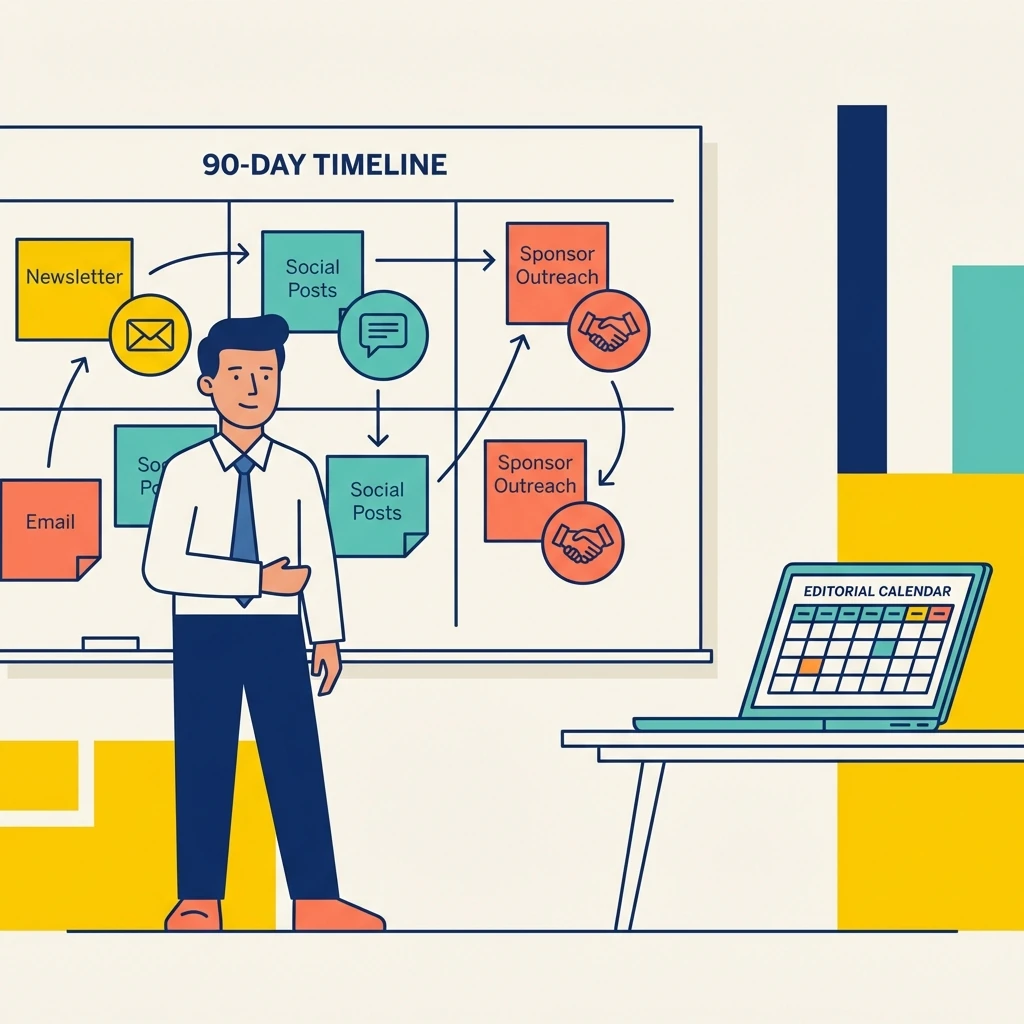
Your 90-Day Launch Roadmap
With the strategy and models in place, you need a concrete timeline. This 90-day roadmap translates the earlier steps into a focused execution plan, whether you are an independent creator or a B2B company starting a media company as an owned media asset.
Days 0–30: Validate and Assemble
In the first month, double down on clarity. Finalize your niche and positioning statement, and have at least 10 structured conversations with people in your target audience to validate that your topics and angles resonate.
Choose your business model focus, name your media brand, secure domains and social handles, and set up your legal entity and bank account. In parallel, select your email platform, basic website or CMS, and analytics, then create a simple landing page that clearly explains who the newsletter is for and what readers will receive.
Days 31–60: Publish and Grow
In the second month, move from planning to publishing. Commit to your sending cadence and ship your first four to six newsletter issues, using a consistent template and tracking open and click-through rates.
Actively grow the list by adding signup CTAs to all content, posting launch-focused threads or posts on your main social channels, and doing at least two collaborations — such as guest appearances or newsletter swaps — with adjacent creators or companies who already reach your ideal reader.
Days 61–90: Monetize and Systemize
In the final month of this initial sprint, introduce your first revenue experiments and build simple systems. Create a one-page media kit that describes your audience, shares early performance metrics, and outlines two or three clear sponsorship or partnership options.
Reach out to a targeted list of potential sponsors with personalized pitches that reference specific issues of your newsletter. At the same time, document your content workflow — from idea capture to drafting, editing, and sending — so you can delegate pieces as you grow, whether to freelancers, in-house hires, or an embedded content team.
Make Your Newsletter the Engine of Your Media Company
In 2026, starting a media company is ultimately about building a durable, newsletter-centered ecosystem: one flagship email product, a clear audience, and a focused revenue model that compounds over time.
If you are a B2B SaaS or services company ready to turn your newsletter into a true media asset — or a founder who wants expert help executing this playbook — Spacebar Studios specializes in creating newsletter-first media brands. As a purpose-built partner, Spacebar Studios’ embedded newsletter team can handle strategy, production, and growth so you can focus on product, sales, and relationships while your owned media engine keeps working in the background.
Your newsletter won't build itself.


The 2000s Blog That Keeps Finding New Monetization Models
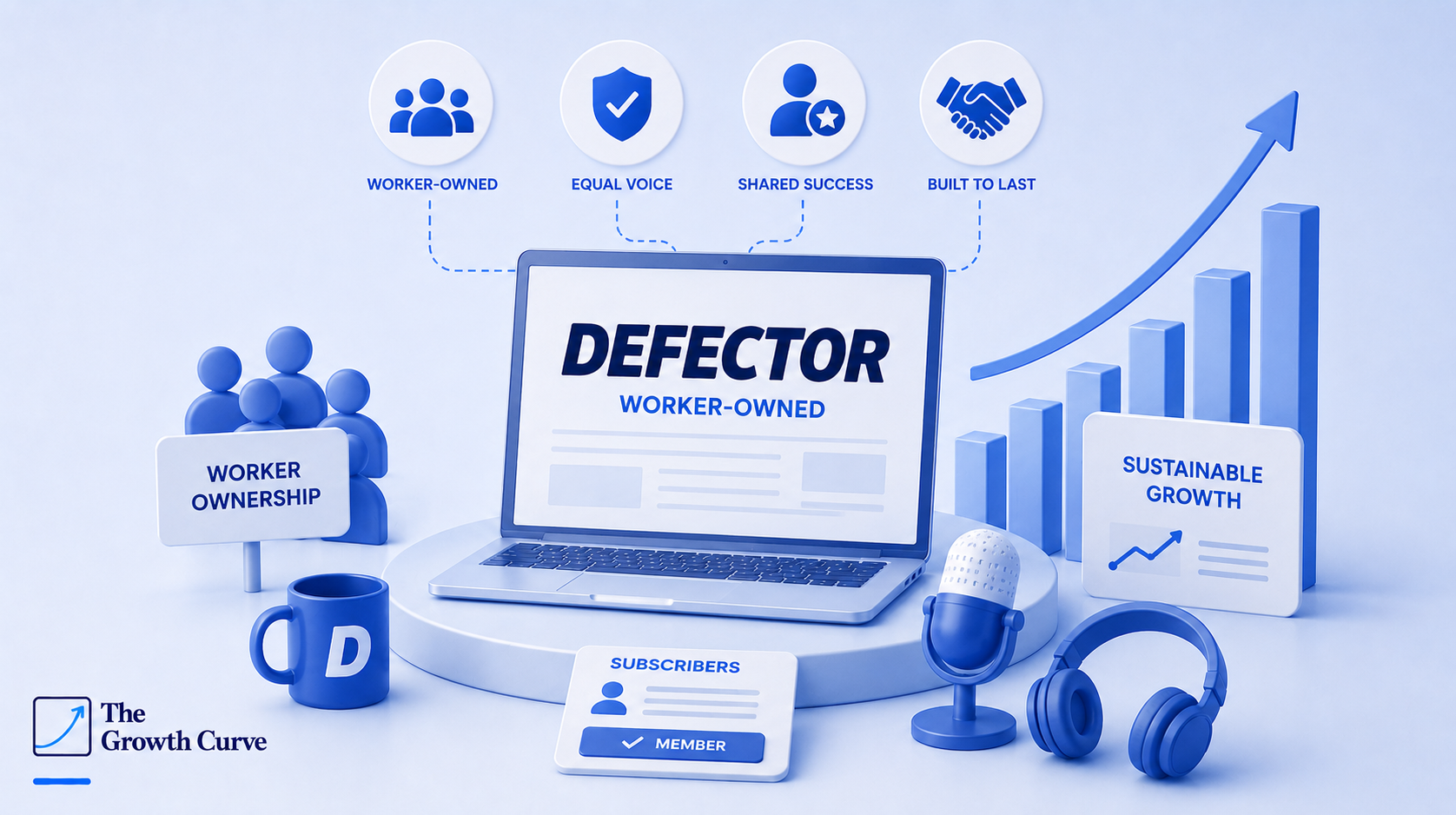
How Deadspin's Former Staff Built a Worker-Owned Media Company Without Outside Investors
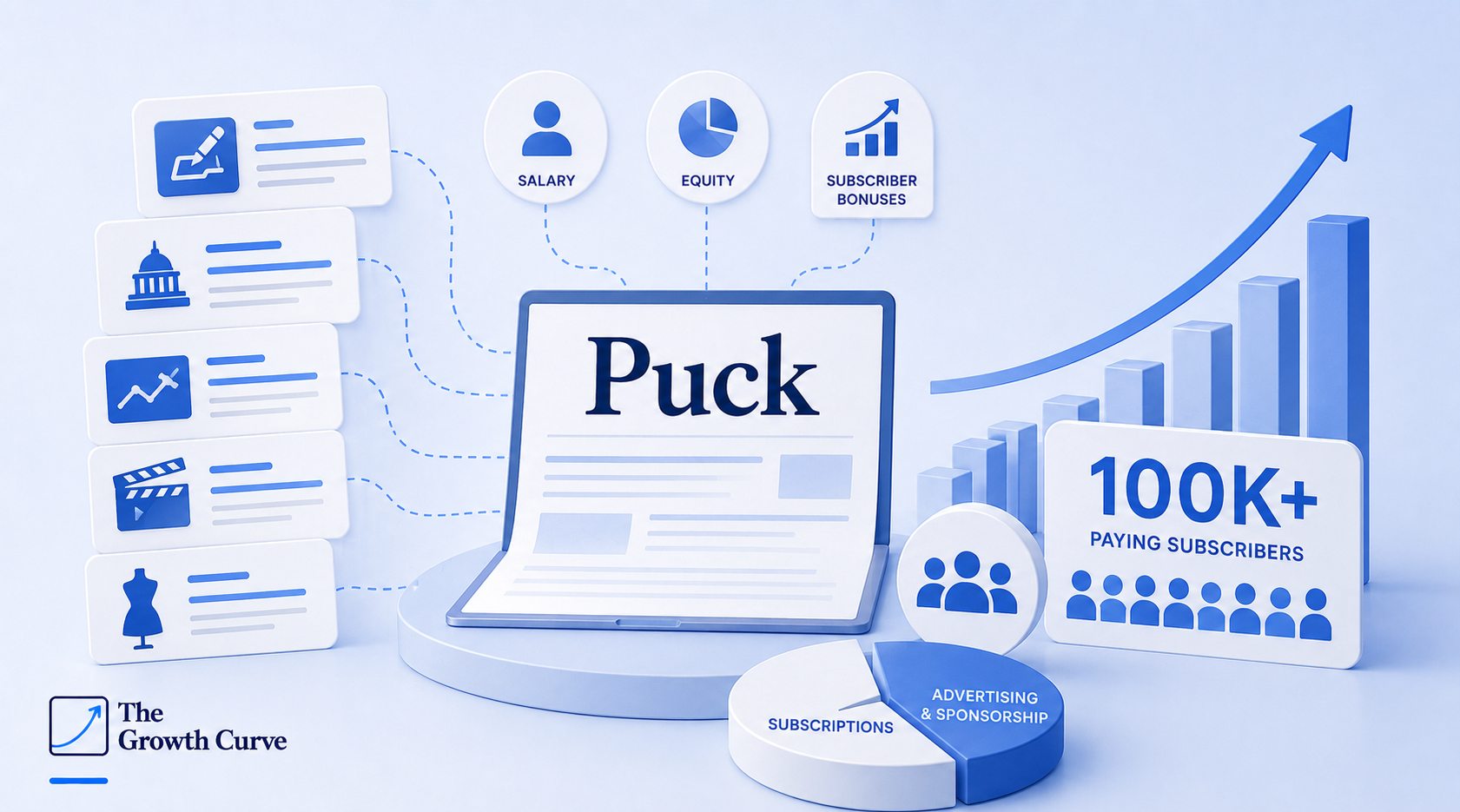
Inside Puck’s Bet on Writer Ownership